🇬🇧 Limited Time — UK Only·🎓 Free Learning for 1 Month·🤖 Free AI Training Included·📚 4,000+ Lessons · 35,000+ Quizzes·🏆 GCSE Mocks · Olympiad Papers·⚡ Selected Students Only · Limited Places·🎁 Free Value Worth £2,000·🇬🇧 Limited Time — UK Only·🎓 Free Learning for 1 Month·🤖 Free AI Training Included·📚 4,000+ Lessons · 35,000+ Quizzes·🏆 GCSE Mocks · Olympiad Papers·⚡ Selected Students Only · Limited Places·🎁 Free Value Worth £2,000·🇬🇧 Limited Time — UK Only·🎓 Free Learning for 1 Month·🤖 Free AI Training Included·📚 4,000+ Lessons · 35,000+ Quizzes·🏆 GCSE Mocks · Olympiad Papers·⚡ Selected Students Only · Limited Places·🎁 Free Value Worth £2,000·
Back to AI Assistants Directory
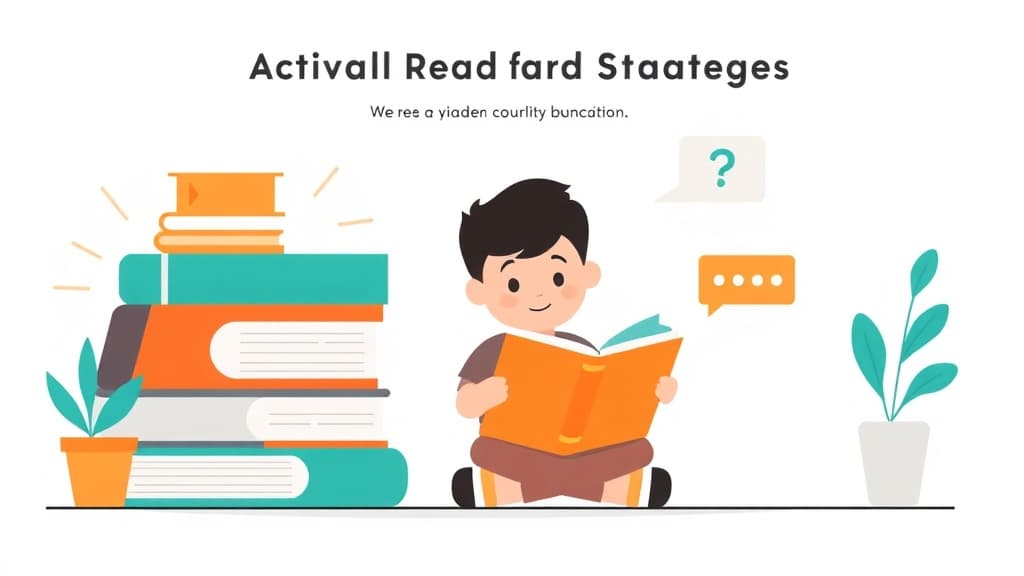
Active Reading Strategies — AI study tool illustration
📝
Study Skills Assistant

Active Reading Strategies

Active Reading Strategies teaches your child to work smarter — not just harder. It introduces proven study techniques, time management strategies, and memory methods used by top students worldwide. The right habits learned now make every subject easier for life.

yearYear 6Year 7Year 8Year 9Year 10Year 11Free foreverUK Curriculum
Applaa AI Assistant — Live Preview Live
Help me understand this topic for my school revision.
👨‍💻
I'd love to help! Let's break this down into bite-sized pieces. First, tell me what year group you are in and if you have any homework questions. I will explain it step-by-step with real-world examples, and we can do a quick quiz at the end to make sure it makes perfect sense!

How to use Active Reading Strategies

1

Open Applaa and go to AI Assistants.

2

Tell it what subject you're studying, when your exam is, and what you find hardest.

3

Get a personalised plan, technique, or strategy you can start using immediately.

What you can do with Active Reading Strategies

SQ3R and annotation tips. Here are some of the most popular ways students use Active Reading Strategies every day:

  • Teaches evidence-based study techniques that actually work
  • Reduces exam stress and builds genuine confidence
  • Saves time by making every study session more productive
  • Ask unlimited follow-up questions — the AI never loses patience or gives up on you
  • Works alongside any textbook, worksheet, or school resource

Reading is essential to GCSE and A-Level success, but passively skimming textbooks or notes wastes hours without building real understanding. The Active Reading Strategies tool teaches proven techniques like SQ3R (Survey, Question, Read, Recite, Review), annotation methods, and margin notes that turn you from a passive reader into an engaged learner. These strategies help you extract key ideas, ask yourself questions as you read, and lock information into memory far more effectively than highlighting alone. Whether you're tackling a dense History essay, a challenging Physics explanation, or a thick novel for English Lit, active reading forces your brain to engage, predict, and think critically—exactly what examiners want to see. Applaa's Active Reading Strategies guide is grounded in decades of learning science research, and students who adopt these techniques often report improved comprehension, faster revision, and better exam performance.

50%
Better retention with active reading vs. passive skimming
5–10 min
Time to review notes from one textbook section to lock in learning
100%
Free guides, templates, and tips on Applaa

How to use Active Reading Strategies effectively

Start with the SQ3R method: Survey the text first by skimming headings and summaries to predict what you'll learn, then turn headings into questions you'll answer whilst reading. Read actively with a pen in hand, writing questions in margins and circling key terms. After each section, pause and recite the main ideas aloud or in notes without looking back. Finally, review your notes and questions the next day to reinforce learning. Combine this with annotation—use different symbols or colours for definitions, examples, and "things I don't understand yet." This approach takes more time initially but saves hours because you understand and retain far more.

  • Survey first: spend 2 minutes skimming headings, summaries, and diagrams before reading
  • Write questions in margins based on headings; these keep your brain active whilst reading
  • Annotate as you read: circle key terms, highlight definitions, bracket examples, mark confusing ideas
  • Stop after each section and recite the main points aloud or write them down without looking back
  • Review your notes the next day to lock in learning and identify gaps
  • Use active reading 1–2 weeks before exams when you need to deepen understanding

Common mistakes with active reading

The most common mistake is highlighting everything, which provides false confidence but barely improves retention. Passive highlighting requires no thinking and trains your brain to zone out. Another pitfall is annotating too much; if every line is highlighted or circled, nothing stands out as important. Students also often skip the "recite" step, reading passively and assuming they've learned. Finally, many rush through the survey phase, missing the chance to activate prior knowledge and set expectations, which actually boosts comprehension.

  • Don't highlight more than 10–15% of the text; be ruthless about what's truly important
  • Don't skip the survey phase; it primes your brain and saves time overall
  • Don't read passively and hope it sticks; active reading requires a pen and your full attention
  • Don't annotate word-by-word; focus on key ideas, definitions, and things you don't understand
  • Don't rush through—10 pages of active reading often beats 30 pages of skimming
  • Don't forget to review; learning fades without revisiting notes within 24 hours

Getting started

Master active reading in 4 steps

Step 1

Download Applaa free and explore the Active Reading Strategies tool

Step 2

Choose one textbook chapter or article to practise with this week

Step 3

Try the SQ3R method from start to finish—survey, question, read, recite, review

Step 4

Compare your understanding using active reading versus your usual reading method

1 month free, then 50% off for 3 months — £4.99/mo

While Other Kids Get an AI Head Start, Is Yours Falling Behind?

Give your child the same AI app-building, exam prep and tutoring edge — free for the first month, no credit card needed.

Join 10,000+ students building their first AI-powered apps with Applaa

Frequently asked questions about Active Reading Strategies

Is active reading worth the extra time, or should I just speed-read everything?

Active reading takes longer per page but you'll understand and retain far more, which saves time on revision and exam prep. Most students spend less total time studying because they don't have to re-read material three times to understand it.

Which annotation method is best: colours, symbols, or margins?

It depends on your learning style. Try all three and see what feels natural. Colours work well for visual learners, symbols (like ★ for important, ? for confused) suit logical thinkers, and margin notes work for anyone who thinks by writing.

Can I use active reading strategies for GCSE English Literature?

Absolutely. Active reading is perfect for novels and poetry because it forces you to engage with text critically, ask questions about character and theme, and annotate evidence you'll cite in essays—exactly what examiners want.

How do I know if I'm reading actively or just going through the motions?

If you finish a page and can't summarise the main ideas, or if your pen hasn't moved, you're reading passively. Active reading should leave you with question marks, annotations, and a page that looks "used." If your pages are clean, slow down and engage.

Get Active Reading Strategies free

Active Reading Strategies and 500+ other safe AI assistants are available free inside the Applaa desktop app.

Windows 10+ · macOS 12+ · UK National Curriculum aligned

Why Parents Choose Applaa

  • 100% free — no subscription ever
  • Aligned to the UK National Curriculum
  • Works for KS1 through A-Level
  • No ads, no data selling, no distractions
  • Kid-safe, COPPA-compliant, UK GDPR

Ready for Exam Prep?

Explore GCSE, 11+, A-Level, and Olympiad revision modules in the Applaa Learning Hub.

Go to Learning Hub