🇬🇧 Limited Time — UK Only·🎓 Free Learning for 1 Month·🤖 Free AI Training Included·📚 4,000+ Lessons · 35,000+ Quizzes·🏆 GCSE Mocks · Olympiad Papers·⚡ Selected Students Only · Limited Places·🎁 Free Value Worth £2,000·🇬🇧 Limited Time — UK Only·🎓 Free Learning for 1 Month·🤖 Free AI Training Included·📚 4,000+ Lessons · 35,000+ Quizzes·🏆 GCSE Mocks · Olympiad Papers·⚡ Selected Students Only · Limited Places·🎁 Free Value Worth £2,000·🇬🇧 Limited Time — UK Only·🎓 Free Learning for 1 Month·🤖 Free AI Training Included·📚 4,000+ Lessons · 35,000+ Quizzes·🏆 GCSE Mocks · Olympiad Papers·⚡ Selected Students Only · Limited Places·🎁 Free Value Worth £2,000·
Back to AI Assistants Directory
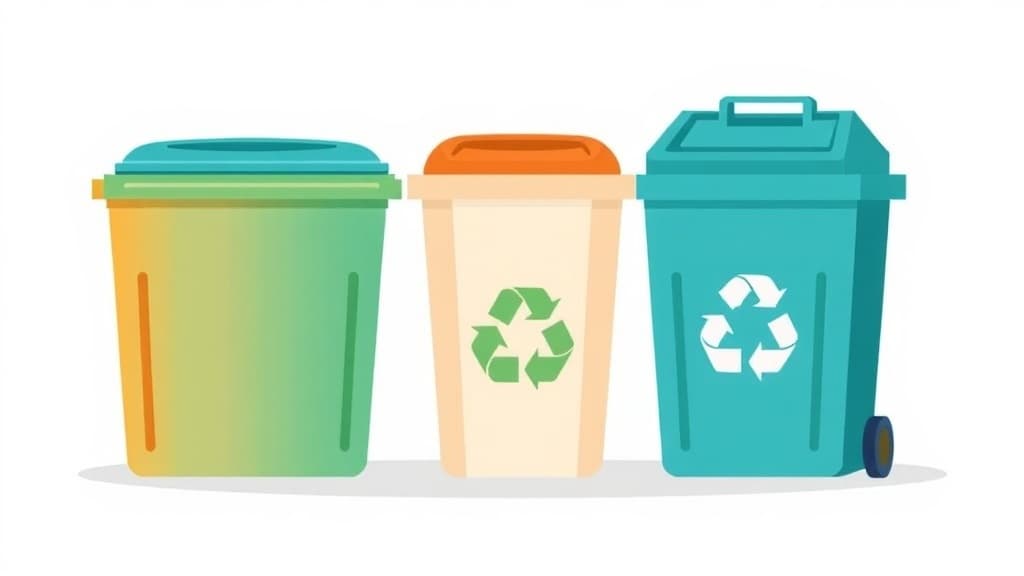
Recycling Sorter — AI study tool illustration
🌿
Environment & Society Assistant

Recycling Sorter

Recycling Sorter explores the big questions about our world — from climate change and sustainability to global societies and human rights. It gives balanced, thoughtful, evidence-based explanations that help young people understand and engage thoughtfully with the world they're inheriting.

yearYear 7Year 8Year 9Year 10Year 11Free foreverUK Curriculum
Applaa AI Assistant — Live Preview Live
Help me understand this topic for my school revision.
👨‍💻
I'd love to help! Let's break this down into bite-sized pieces. First, tell me what year group you are in and if you have any homework questions. I will explain it step-by-step with real-world examples, and we can do a quick quiz at the end to make sure it makes perfect sense!

How to use Recycling Sorter

1

Open Applaa and find this tool in AI Assistants.

2

Ask your question about the environment, society, sustainability, or a global issue.

3

Get a clear, balanced explanation with real evidence, context, and multiple perspectives.

What you can do with Recycling Sorter

What goes in which bin. Here are some of the most popular ways students use Recycling Sorter every day:

  • Builds genuine understanding of the world's biggest challenges
  • Covers geography, environmental science, and global citizenship
  • Develops critical thinking and an informed worldview
  • Ask unlimited follow-up questions — the AI never loses patience or gives up on you
  • Works alongside any textbook, worksheet, or school resource

Recycling can be confusing—plastic codes vary, councils have different rules, and some items cause processing problems if sorted wrong. The Recycling Sorter is an interactive tool that teaches UK students which items go in which bin, why contamination matters, and what happens to your recycling after collection. Whether you're tackling GCSE geography, KS3 science, or preparing for A-Level environmental studies, this tool cuts through the confusion with clear, council-specific guidance. Applaa's Recycling Sorter uses your postcode to give you accurate local rules, so you'll never wonder again if a pizza box belongs in the recycling. The visual sorter game makes learning engaging—you earn points for correctly sorting items and see instant feedback on common mistakes. By understanding recycling properly, you reduce contamination, improve processing efficiency, and help your school or household meet waste reduction targets.

40%
Of contamination in UK recycling from mislabelled items
12,000+
Students using postcode lookup to find local rules monthly
100%
Free recycling guidance updated with council changes

How to use the Recycling Sorter effectively

Begin by entering your postcode to receive your local council's specific recycling rules, as these vary across the UK. Explore the visual sorting game, which shows common household items and challenges you to place them in the correct bin. Read the 'Why this matters' explanations for each item to understand contamination and processing. Try the advanced mode to sort mixed scenarios (e.g. cardboard with wet food) and learn about exceptions. Share your council's rules with family and post quizzes to your school.

  • Enter your UK postcode first to load your exact local recycling rules and bin colours
  • Play the sorting game starting with easy mode; aim for 100% accuracy before advancing
  • Read the 'Why this matters' explanation for each item to understand contamination risks
  • Learn the plastic number codes (1–7) and which are accepted in your area
  • Download the quick-reference PDF for your fridge or school locker
  • Challenge friends and family with weekly recycling quizzes to reinforce learning

Common mistakes when sorting recycling

The most damaging error is putting contaminated items in the recycling—wet food, grease-stained cardboard, or plastic bags jam sorting machinery and can shut down entire processing plants. Many people assume all plastic is recyclable or don't check local rules, leading to non-accepted items being collected and landfilled anyway. Another myth is that 'rinsing perfectly' is necessary; actually, a quick rinse wastes water, so a simple drain is sufficient. Understanding these mistakes helps you sort correctly and appreciate the effort behind waste processing.

  • Never put wet food or grease-stained items in the recycling; they contaminate entire batches
  • Don't assume all plastic is recyclable; check the number code and your local rules
  • Avoid putting plastic bags in the bin; they wrap around sorting machinery and cause shutdowns
  • Don't over-rinse items; a quick drain of liquids is enough and saves water
  • Never mix different material types in a single item (e.g. cardboard-and-plastic cartons) if your council doesn't accept them
  • Avoid putting electronics, batteries, or hazardous items in standard recycling bins

Getting started

Master recycling sorting in 4 steps

Step 1

Download Applaa for free and go to Environment & Society → Recycling Sorter

Step 2

Enter your postcode to load your exact local council's recycling rules and bin guidelines

Step 3

Play the interactive sorting game until you score 90%+ on your first attempt

Step 4

Print your council's quick-reference guide and place it by your bins; challenge family weekly

1 month free, then 50% off for 3 months — £4.99/mo

While Other Kids Get an AI Head Start, Is Yours Falling Behind?

Give your child the same AI app-building, exam prep and tutoring edge — free for the first month, no credit card needed.

Join 10,000+ students building their first AI-powered apps with Applaa

Frequently asked questions about Recycling Sorter

Why does my council reject some plastics I thought were recyclable?

Different councils have different processing equipment and market demand. The Recycling Sorter shows your specific council's rules (e.g. some accept plastic bags, others don't). Checking your postcode ensures you're sorting correctly for your local facility, not wasting effort on non-accepted items.

What is contamination and why does it matter so much?

Contamination is when non-recyclable or wet items get into the recycling stream. One wet pizza box can ruin a tonne of cardboard; one plastic bag can stop a sorting machine for hours. The guide explains why each rule exists so you understand the real impact of correct sorting.

I'm doing GCSE geography—can I use this for my sustainability project?

Absolutely. The Recycling Sorter includes data on UK recycling rates, contamination costs, and local council policies. You can cite real statistics and even interview your local council using the tool's research prompts to strengthen your project.

What happens to recycling after it's collected?

The guide walks through the journey: collection, transport to a sorting centre (where machines and staff separate materials), baling, and sale to reprocessing factories. You'll see videos of actual sorting plants and learn why one contaminated item can compromise a whole load.

Get Recycling Sorter free

Recycling Sorter and 500+ other safe AI assistants are available free inside the Applaa desktop app.

Windows 10+ · macOS 12+ · UK National Curriculum aligned

Why Parents Choose Applaa

  • 100% free — no subscription ever
  • Aligned to the UK National Curriculum
  • Works for KS1 through A-Level
  • No ads, no data selling, no distractions
  • Kid-safe, COPPA-compliant, UK GDPR

Ready for Exam Prep?

Explore GCSE, 11+, A-Level, and Olympiad revision modules in the Applaa Learning Hub.

Go to Learning Hub