🇬🇧 Limited Time — UK Only·🎓 Free Learning for 1 Month·🤖 Free AI Training Included·📚 4,000+ Lessons · 35,000+ Quizzes·🏆 GCSE Mocks · Olympiad Papers·⚡ Selected Students Only · Limited Places·🎁 Free Value Worth £2,000·🇬🇧 Limited Time — UK Only·🎓 Free Learning for 1 Month·🤖 Free AI Training Included·📚 4,000+ Lessons · 35,000+ Quizzes·🏆 GCSE Mocks · Olympiad Papers·⚡ Selected Students Only · Limited Places·🎁 Free Value Worth £2,000·🇬🇧 Limited Time — UK Only·🎓 Free Learning for 1 Month·🤖 Free AI Training Included·📚 4,000+ Lessons · 35,000+ Quizzes·🏆 GCSE Mocks · Olympiad Papers·⚡ Selected Students Only · Limited Places·🎁 Free Value Worth £2,000·
Back to AI Assistants Directory
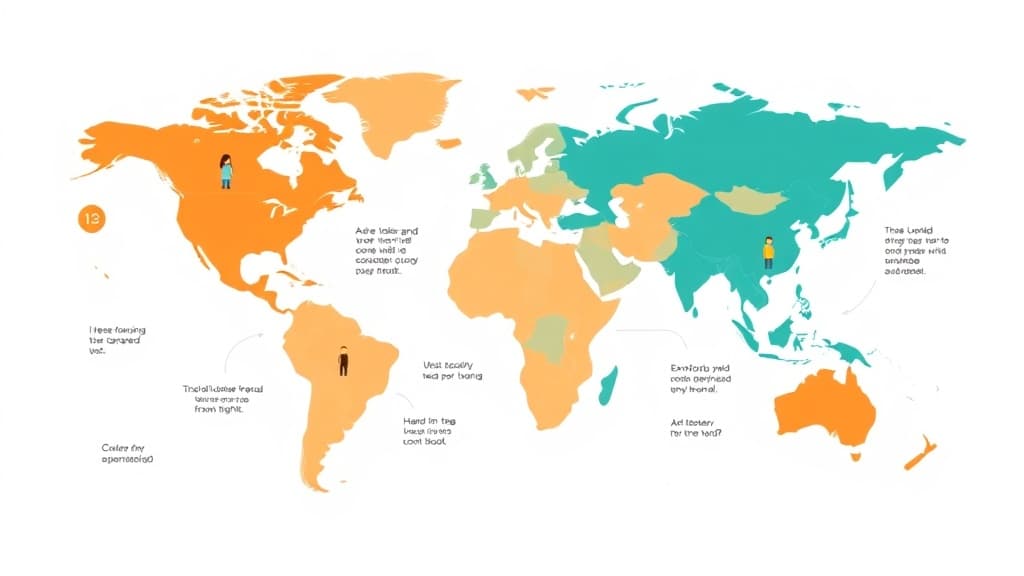
Global Citizenship Guide — AI study tool illustration
🌿
Environment & Society Assistant

Global Citizenship Guide

Global Citizenship Guide explores the big questions about our world — from climate change and sustainability to global societies and human rights. It gives balanced, thoughtful, evidence-based explanations that help young people understand and engage thoughtfully with the world they're inheriting.

yearYear 7Year 8Year 9Year 10Year 11Free foreverUK Curriculum
Applaa AI Assistant — Live Preview Live
Help me understand this topic for my school revision.
👨‍💻
I'd love to help! Let's break this down into bite-sized pieces. First, tell me what year group you are in and if you have any homework questions. I will explain it step-by-step with real-world examples, and we can do a quick quiz at the end to make sure it makes perfect sense!

How to use Global Citizenship Guide

1

Open Applaa and find this tool in AI Assistants.

2

Ask your question about the environment, society, sustainability, or a global issue.

3

Get a clear, balanced explanation with real evidence, context, and multiple perspectives.

What you can do with Global Citizenship Guide

Rights and responsibilities around the world. Here are some of the most popular ways students use Global Citizenship Guide every day:

  • Builds genuine understanding of the world's biggest challenges
  • Covers geography, environmental science, and global citizenship
  • Develops critical thinking and an informed worldview
  • Ask unlimited follow-up questions — the AI never loses patience or gives up on you
  • Works alongside any textbook, worksheet, or school resource

Being a global citizen means understanding your rights and responsibilities in an interconnected world—from climate action and fair trade to human rights and diversity. The Global Citizenship Guide helps UK students aged 11–18 explore their role in global issues, understand different cultures and perspectives, and discover how individual choices ripple across continents. Whether you're studying KS3 PSHE, GCSE citizenship, or A-Level global perspectives, this tool equips you with knowledge to engage thoughtfully with the world. Applaa's guide covers UN Sustainable Development Goals, international agreements, cultural respect, and practical ways young people are making a difference globally. You'll learn how buying ethical products, supporting fair-trade brands, or volunteering for causes like refugee aid or climate justice creates tangible impact. With interactive case studies, expert interviews, and reflection prompts, Applaa's Global Citizenship Guide transforms abstract ideals into personal understanding and actionable choices.

3,500+
UK school groups using this guide for citizenship projects
193
Countries represented in cultural profiles and case studies
100%
Free, designed to foster critical thinking, not impose ideology

How to use the Global Citizenship Guide effectively

Start with the 'UN Sustainable Development Goals' module to understand 17 global priorities (poverty, education, climate, equality) and how they interconnect. Explore the 'Rights and Responsibilities' section to learn about universal human rights, children's rights, and how these are protected and violated worldwide. Use the 'Cultural Explorer' to research traditions, languages, and perspectives from different regions—build empathy through understanding. Review case studies of young activists (Greta Thunberg, Malala Yousafzai) and everyday global citizens to see yourself in their stories. Complete reflection prompts to consider your own values and how you can contribute. Share discussions with classmates or family.

  • Map the 17 UN SDGs to issues you care about and understand their global interconnections
  • Use the 'Rights & Responsibilities' tool to explore human rights documents and real-world applications
  • Explore 'Cultural Traditions' profiles to respectfully learn about different religions, festivals, and customs
  • Review case studies of young global citizens to see how peers are creating change in their communities
  • Reflect on your own values using guided journal prompts; identify one cause you want to support
  • Discuss global issues with friends or family using the conversation-starter cards provided

Common misconceptions about global citizenship

Some students think global citizenship is about charity—that helping the world means donating money and feeling good. In reality, it's about understanding systemic issues, recognizing your privilege, and addressing root causes. Others assume that cultural respect means never questioning harmful practices, when actually informed critique is part of genuine dialogue. Many also feel powerless ('What can one person do?') and don't realize that collective individual choices—ethical consumption, voting, advocacy—create political pressure. The guide reframes global citizenship as active, critical engagement, not passive guilt.

  • Global citizenship isn't charity; it's understanding interconnected systems and working toward justice
  • Respect for culture doesn't mean never questioning practices; informed critique supports positive change
  • One person does matter: collective individual choices drive markets, policy, and cultural norms
  • Rights and responsibilities are mutual; your freedoms come with duties to others and the planet
  • Activism comes in many forms: from voting and ethical shopping to education and community organising
  • Privilege is structural, not personal shame: recognising it empowers you to act as an ally

Getting started

Become a global citizen in 4 steps

Step 1

Download Applaa free and open Environment & Society → Global Citizenship Guide

Step 2

Explore the 17 UN Sustainable Development Goals and choose one that resonates with you

Step 3

Use the 'Cultural Explorer' to research a culture different from your own; reflect on what you learned

Step 4

Complete the 'Your Action Plan' section to identify one global issue you want to support and how

1 month free, then 50% off for 3 months — £4.99/mo

While Other Kids Get an AI Head Start, Is Yours Falling Behind?

Give your child the same AI app-building, exam prep and tutoring edge — free for the first month, no credit card needed.

Join 10,000+ students building their first AI-powered apps with Applaa

Frequently asked questions about Global Citizenship Guide

How does global citizenship relate to my GCSE citizenship exam?

Direct connection: the guide covers sustainable development, human rights, democracy, and diverse perspectives—core GCSE topics. You can use real case studies and evidence to strengthen essays and project work, demonstrating deep engagement with global issues.

Isn't caring about global issues when I'm at school in the UK a distraction?

No. Global issues (climate change, trade, migration) directly affect the UK and your future. Understanding them helps you make informed decisions about careers, consumption, and voting. Plus, being aware of diverse perspectives makes you a more thoughtful person and peer.

How can I act on global citizenship if I'm just a teenager?

The guide highlights real teen activists and concrete actions: support ethical brands, participate in school campaigns, volunteer with charities, engage in respectful debate, and vote when you're able. Change rarely happens overnight, but your awareness and choices shape your generation's priorities.

The guide mentions human rights. What if a country's government doesn't respect them?

The guide explains universal human rights standards (UN Declaration, convention systems) and explores how violations occur and how they're addressed (international courts, advocacy, sanctions). You'll see how global pressure and internal movements sometimes drive change, highlighting the complexity of global justice.

Get Global Citizenship Guide free

Global Citizenship Guide and 500+ other safe AI assistants are available free inside the Applaa desktop app.

Windows 10+ · macOS 12+ · UK National Curriculum aligned

Why Parents Choose Applaa

  • 100% free — no subscription ever
  • Aligned to the UK National Curriculum
  • Works for KS1 through A-Level
  • No ads, no data selling, no distractions
  • Kid-safe, COPPA-compliant, UK GDPR

Ready for Exam Prep?

Explore GCSE, 11+, A-Level, and Olympiad revision modules in the Applaa Learning Hub.

Go to Learning Hub