๐Ÿ‡ฌ๐Ÿ‡ง Limited Time โ€” UK Onlyยท๐ŸŽ“ Free Learning for 1 Monthยท๐Ÿค– Free AI Training Includedยท๐Ÿ“š 4,000+ Lessons ยท 35,000+ Quizzesยท๐Ÿ† GCSE Mocks ยท Olympiad Papersยทโšก Selected Students Only ยท Limited Placesยท๐ŸŽ Free Value Worth ยฃ2,000ยท๐Ÿ‡ฌ๐Ÿ‡ง Limited Time โ€” UK Onlyยท๐ŸŽ“ Free Learning for 1 Monthยท๐Ÿค– Free AI Training Includedยท๐Ÿ“š 4,000+ Lessons ยท 35,000+ Quizzesยท๐Ÿ† GCSE Mocks ยท Olympiad Papersยทโšก Selected Students Only ยท Limited Placesยท๐ŸŽ Free Value Worth ยฃ2,000ยท๐Ÿ‡ฌ๐Ÿ‡ง Limited Time โ€” UK Onlyยท๐ŸŽ“ Free Learning for 1 Monthยท๐Ÿค– Free AI Training Includedยท๐Ÿ“š 4,000+ Lessons ยท 35,000+ Quizzesยท๐Ÿ† GCSE Mocks ยท Olympiad Papersยทโšก Selected Students Only ยท Limited Placesยท๐ŸŽ Free Value Worth ยฃ2,000ยท
Back to AI Assistants Directory
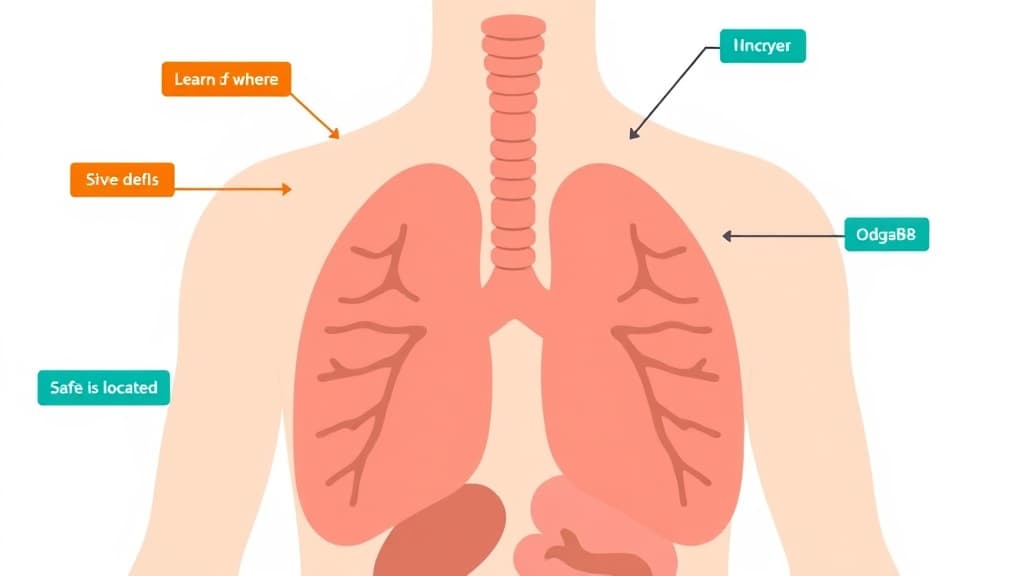
Anatomy Labeler โ€” AI study tool illustration
๐Ÿงฌ
Biology & Life Science Assistant

Anatomy Labeler

Anatomy Labeler turns complex biology into clear, memorable explanations your child can actually understand. It uses simple language and helpful analogies to break down every topic โ€” from cell structure and genetics to ecosystems and the human body.

yearYear 7Year 8Year 9Year 10Year 11Free foreverUK Curriculum
Applaa AI Assistant โ€” Live Preview Live
Explain how photosynthesis works.
๐Ÿ‘จโ€๐Ÿ’ป
Photosynthesis is how plants make their own food! Think of a leaf as a tiny solar-powered kitchen: 1. **Ingredients:** Water (absorbed by roots) + Carbon Dioxide (absorbed from air) + Sunlight (captured by green chlorophyll in leaves). 2. **Cooking:** Sunlight energy powers a chemical reaction that combines water and carbon dioxide. 3. **Food Served:** Out comes **Glucose** (sugar energy for the plant to grow) and **Oxygen** (which they release into the air for us to breathe!). Equation: Water + Carbon Dioxide + Light โž” Glucose + Oxygen. Pretty amazing, right?

How to use Anatomy Labeler

1

Open Applaa and select this tool from AI Assistants.

2

Describe the biology topic you're studying or paste a question from your textbook.

3

Get a clear explanation with real-world examples โ€” ask any follow-up question as many times as needed.

What you can do with Anatomy Labeler

Learn where organs are located. Here are some of the most popular ways students use Anatomy Labeler every day:

  • Makes complex biology genuinely accessible at every level
  • Covers GCSE, A-Level, and IB Biology comprehensively
  • Great for revision, homework help, and science fair projects
  • Ask unlimited follow-up questions โ€” the AI never loses patience or gives up on you
  • Works alongside any textbook, worksheet, or school resource

Anatomy Labeler builds your child's spatial understanding of where every major organ lives and how they're positioned relative to each other. Rather than just memorising lists, your child learns where the heart sits (left side of the chest, protected by ribs), where the kidneys hide (behind the abdominal wall on either side of the spine), where the stomach is (left side, upper abdomen), and why position matters for function and health. It's perfect for GCSE Biology (where human anatomy is a major topic), IGCSE, or anyone interested in their own body. Inside Applaa, your child explores interactive diagrams, practises labelling from memory, and builds a mental map of human anatomy that sticks. It's the kind of spatial learning that makes future medical understanding, emergency first aid knowledge, and just general body literacy so much easier.

37 trillion
Cells in the human body
100%
Free learning forever
78 organs
Named major organs (not counting multiples like ribs)

How to use Anatomy Labeler effectively

Start with the major organs (heart, lungs, liver, kidneys, stomach, small intestine, large intestine, brain, spinal cord) and locate each one precisely. Think about position: why is the brain protected by the skull? Why are the lungs in the chest rather than the abdomen? Why are the kidneys behind the intestines? Then practise labelling from memory โ€” start with a blank diagram and place each organ where it belongs. Use cross-sections and multiple views (front, side, back) to build a complete 3D mental model. Ask questions: which organs touch which? Why does the stomach sit above the intestines? How does position relate to function?

  • Learn major organs first, then progressively add smaller structures โ€” build your mental map gradually
  • Understand why organs are positioned where they are โ€” position relates to function and protection
  • Use multiple views (front, side, cross-section) to build a complete 3D understanding
  • Practise labelling from memory regularly โ€” active recall is what locks knowledge in
  • Connect anatomy to physiology: understand that organ position affects how systems interact

Common anatomy labelling mistakes

Students often get left-right confused โ€” remember that anatomical 'left' is the person's left (your right if you're facing them). Another frequent error: placing organs incorrectly because they haven't visualised position in 3D. The liver is much bigger than many students think; the stomach is smaller. Students also miss that organs overlap and stack โ€” the heart sits in front of the lungs, not beside them. The biggest gap: not understanding why position matters โ€” it's not random trivia, it's about how the body functions efficiently.

  • Remember that anatomical left/right is from the person's perspective, not yours when facing them
  • Don't assume all organs are clearly separated โ€” many overlap and stack on top of each other
  • Don't memorise in 2D โ€” use your understanding of the skeleton to position organs correctly
  • Don't forget that organ size varies โ€” the liver is huge; the pancreas is small and tucked behind
  • Don't treat labelling as separate from learning systems โ€” see how position supports each system's function

Getting started

Getting started with Anatomy Labeler

Step 1

Download the free Applaa app on any device

Step 2

Go to AI Assistants and select Anatomy Labeler from Biology & Life Science

Step 3

Start by learning major organs (heart, lungs, liver, kidneys, stomach, intestines, brain)

Step 4

Practise labelling from memory multiple times until you can place everything correctly

1 month free, then 50% off for 3 months โ€” ยฃ4.99/mo

While Other Kids Get an AI Head Start, Is Yours Falling Behind?

Give your child the same AI app-building, exam prep and tutoring edge โ€” free for the first month, no credit card needed.

Join 10,000+ students building their first AI-powered apps with Applaa

Frequently asked questions about Anatomy Labeler

Do I need to memorise obscure tiny organs for GCSE?

GCSE focuses on major organs you can see and understand function for. You don't need to memorise every tiny gland, but you should know the main organs and their positions. Anatomy Labeler focuses on what matters for GCSE and real understanding.

Why does it matter where organs are located?

Because position relates to function. The heart's position protects it. The small intestine's position lets it absorb nutrients efficiently. The brain's position in the skull protects it from damage. Understanding position helps you understand how your body actually works.

Are there gender differences in organ positioning?

Mostly, organs are positioned the same. The reproductive system differs (obviously), and some minor variations exist. But the major organs (heart, lungs, liver, kidneys) are positioned very similarly in all humans.

How does anatomy knowledge help with medical understanding?

Everything. Knowing where organs are helps you understand why certain symptoms point to specific problems. If something hurts in the upper right abdomen, it might be the liver or gallbladder. Anatomy is the foundation for understanding health and disease.

Get Anatomy Labeler free

Anatomy Labeler and 500+ other safe AI assistants are available free inside the Applaa desktop app.

Windows 10+ ยท macOS 12+ ยท UK National Curriculum aligned

Why Parents Choose Applaa

  • 100% free โ€” no subscription ever
  • Aligned to the UK National Curriculum
  • Works for KS1 through A-Level
  • No ads, no data selling, no distractions
  • Kid-safe, COPPA-compliant, UK GDPR

Ready for Exam Prep?

Explore GCSE, 11+, A-Level, and Olympiad revision modules in the Applaa Learning Hub.

Go to Learning Hub