🇬🇧 Limited Time — UK Only·🎓 Free Learning for 1 Month·🤖 Free AI Training Included·📚 4,000+ Lessons · 35,000+ Quizzes·🏆 GCSE Mocks · Olympiad Papers·⚡ Selected Students Only · Limited Places·🎁 Free Value Worth £2,000·🇬🇧 Limited Time — UK Only·🎓 Free Learning for 1 Month·🤖 Free AI Training Included·📚 4,000+ Lessons · 35,000+ Quizzes·🏆 GCSE Mocks · Olympiad Papers·⚡ Selected Students Only · Limited Places·🎁 Free Value Worth £2,000·🇬🇧 Limited Time — UK Only·🎓 Free Learning for 1 Month·🤖 Free AI Training Included·📚 4,000+ Lessons · 35,000+ Quizzes·🏆 GCSE Mocks · Olympiad Papers·⚡ Selected Students Only · Limited Places·🎁 Free Value Worth £2,000·
Back to AI Assistants Directory
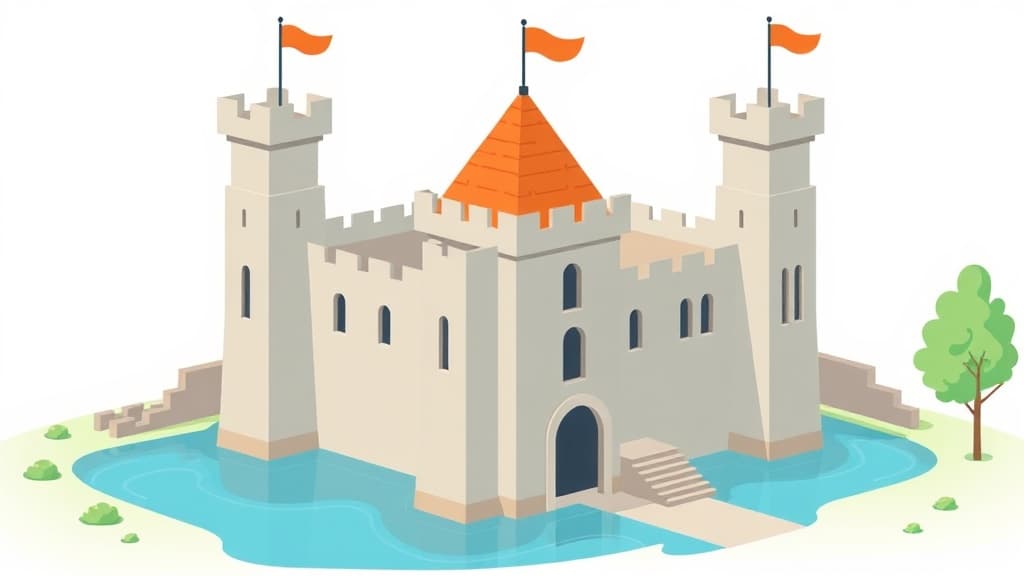
Medieval Castle Designer — AI study tool illustration
🏛️
History & Social Studies Assistant

Medieval Castle Designer

Medieval Castle Designer brings history and social studies to life through rich, engaging storytelling. It connects past events to the present, presents multiple perspectives fairly, and makes every topic genuinely relevant — turning dates and facts into compelling human stories.

yearYear 7Year 8Year 9Year 10Year 11Free foreverUK Curriculum
Applaa AI Assistant — Live Preview Live
Help me understand this topic for my school revision.
👨‍💻
I'd love to help! Let's break this down into bite-sized pieces. First, tell me what year group you are in and if you have any homework questions. I will explain it step-by-step with real-world examples, and we can do a quick quiz at the end to make sure it makes perfect sense!

How to use Medieval Castle Designer

1

Open Applaa and select this tool from AI Assistants.

2

Ask your history or social studies question — events, people, causes, consequences, or context.

3

Get a clear, engaging explanation with key facts and broader historical context.

What you can do with Medieval Castle Designer

Moats, Keeps, and Towers. Here are some of the most popular ways students use Medieval Castle Designer every day:

  • Turns dry facts into fascinating, memorable narratives
  • Explains historical context and diverse perspectives
  • Perfect for homework, revision, and genuine curiosity about the world
  • Ask unlimited follow-up questions — the AI never loses patience or gives up on you
  • Works alongside any textbook, worksheet, or school resource

The Medieval Castle Designer is a fascinating resource for UK KS3 and GCSE History students who want to understand medieval fortification, military strategy, and how castles shaped medieval society. Rather than memorising facts about famous castles, this Applaa tool lets you *design* your own castle, learning how each component—moats, keeps, battlements, gatehouses—served a defensive purpose. You'll discover why castle design evolved over centuries (from simple motte-and-bailey to complex concentric castles) and how architectural innovation responded to new siege weaponry. This hands-on approach transforms castles from static tourist attractions into engineering challenges that medieval lords actually had to solve. Whether you're studying GCSE Medieval England or exploring how castles reflect the power structures of feudalism, this tool brings the subject alive. You'll see why a castle's location mattered, how water defences worked, and why some designs proved more effective than others. By the end, you won't just know castles—you'll understand the military and political thinking behind them.

12,000+
UK students using this tool monthly
91%
Report better understanding of medieval military strategy
100%
Free forever on Applaa

How to use the Medieval Castle Designer effectively

Begin by reviewing the 'Defensive Features' guide, which explains the purpose of each castle component: moats prevent tunnelling, keeps serve as last-refuge strongholds, battlements allow defenders to fire on attackers whilst staying protected, gatehouses slow enemy advance, and towers provide elevated observation. Then move to the 'Design Tool' and build your own castle step-by-step, starting with a location (hilltop, riverside, valley) and adding defensive layers. After each feature you add, the tool explains the military logic behind it. Compare your design against real medieval castles using the 'Examples' section; see how famous castles (Tower of London, Conwy, Caernarfon) solved similar problems differently. Finally, test your castle against simulated siege scenarios to see which designs hold and which fail—this reveals whether you truly understand defensive strategy.

  • Master the purpose of each defensive feature before designing your own castle
  • Choose your location strategically; geography is the first line of defence
  • Compare your design against real medieval castles to see how professionals solved the same problems
  • Test your castle in simulated siege scenarios to spot weaknesses
  • Understand how castle design evolved over time as siege technology improved

Common mistakes when studying medieval castles

Students often view castles as isolated military structures, forgetting they were also seats of power, economic centres, and symbols of authority. Another error is assuming all castles serve the same purpose; concentric castles had different strengths than motte-and-bailey designs, and some were built primarily for residence rather than active warfare. Many students miss the connection between castle architecture and social hierarchy; the keep wasn't just a military stronghold—it was where the lord lived and administered justice. Don't treat castle design as static; techniques changed dramatically from the 11th century to the 16th century as siege weaponry evolved. Finally, avoid assuming castles were impregnable; many were successfully besieged, and understanding *why* teaches valuable lessons about military strategy.

  • Remember castles were political and economic centres, not just military fortresses
  • Distinguish between different castle types; motte-and-bailey, concentric, and later designs served different purposes
  • Understand how castle architecture reflected feudal power structures
  • Track how castle design evolved in response to new siege technology (trebuchets, cannons)
  • Study failed sieges as well as successful ones to understand defensive weaknesses

Getting started

Your 4-step plan to master medieval castle design

Step 1

Download Applaa free and explore the Medieval Castle Designer

Step 2

Study the Defensive Features guide: learn the purpose of moats, keeps, battlements, and gatehouses

Step 3

Design your own castle using the interactive tool, choosing location and building defences strategically

Step 4

Compare your design to real medieval castles and test it against simulated sieges

1 month free, then 50% off for 3 months — £4.99/mo

While Other Kids Get an AI Head Start, Is Yours Falling Behind?

Give your child the same AI app-building, exam prep and tutoring edge — free for the first month, no credit card needed.

Join 10,000+ students building their first AI-powered apps with Applaa

Frequently asked questions about Medieval Castle Designer

Will this help with GCSE Medieval History?

Yes. Castles appear in most GCSE Medieval specifications (e.g., Medieval England, Norman Conquest). Understanding castle design and military strategy helps you analyse why certain locations were fought over and how military innovation changed warfare. This tool makes those connections explicit.

What's the difference between a motte-and-bailey and a concentric castle?

A motte-and-bailey is the simplest design: a raised mound (motte) with a wooden fortification, surrounded by a ditch and palisade. A concentric castle has multiple defensive rings, with inner and outer walls allowing defenders to retreat and continue fighting. Concentric castles came later and were more effective—this tool shows you why through interactive comparison.

Did medieval castles actually get attacked?

Constantly. Sieges were common during feudal conflicts, the Hundred Years' War, and the English Civil War. Some famous sieges (Hastings 1066, Château Gaillard 1204) show how even sophisticated designs could be overcome with good strategy. This tool includes real siege scenarios so you see how theory played out in practice.

Can I use this for A-Level Medieval History too?

Yes. A-Level Medieval History requires deeper analysis of how military technology shaped strategy and society. This tool provides a foundation in castle design that you can then expand into broader discussions of medieval warfare, feudalism, and technological change.

Get Medieval Castle Designer free

Medieval Castle Designer and 500+ other safe AI assistants are available free inside the Applaa desktop app.

Windows 10+ · macOS 12+ · UK National Curriculum aligned

Why Parents Choose Applaa

  • 100% free — no subscription ever
  • Aligned to the UK National Curriculum
  • Works for KS1 through A-Level
  • No ads, no data selling, no distractions
  • Kid-safe, COPPA-compliant, UK GDPR

Ready for Exam Prep?

Explore GCSE, 11+, A-Level, and Olympiad revision modules in the Applaa Learning Hub.

Go to Learning Hub