πŸ‡¬πŸ‡§ Limited Time β€” UK OnlyΒ·πŸŽ“ Free Learning for 1 MonthΒ·πŸ€– Free AI Training IncludedΒ·πŸ“š 4,000+ Lessons Β· 35,000+ QuizzesΒ·πŸ† GCSE Mocks Β· Olympiad Papers·⚑ Selected Students Only Β· Limited Places·🎁 Free Value Worth Β£2,000Β·πŸ‡¬πŸ‡§ Limited Time β€” UK OnlyΒ·πŸŽ“ Free Learning for 1 MonthΒ·πŸ€– Free AI Training IncludedΒ·πŸ“š 4,000+ Lessons Β· 35,000+ QuizzesΒ·πŸ† GCSE Mocks Β· Olympiad Papers·⚑ Selected Students Only Β· Limited Places·🎁 Free Value Worth Β£2,000Β·πŸ‡¬πŸ‡§ Limited Time β€” UK OnlyΒ·πŸŽ“ Free Learning for 1 MonthΒ·πŸ€– Free AI Training IncludedΒ·πŸ“š 4,000+ Lessons Β· 35,000+ QuizzesΒ·πŸ† GCSE Mocks Β· Olympiad Papers·⚑ Selected Students Only Β· Limited Places·🎁 Free Value Worth Β£2,000Β·
Back to AI Assistants Directory
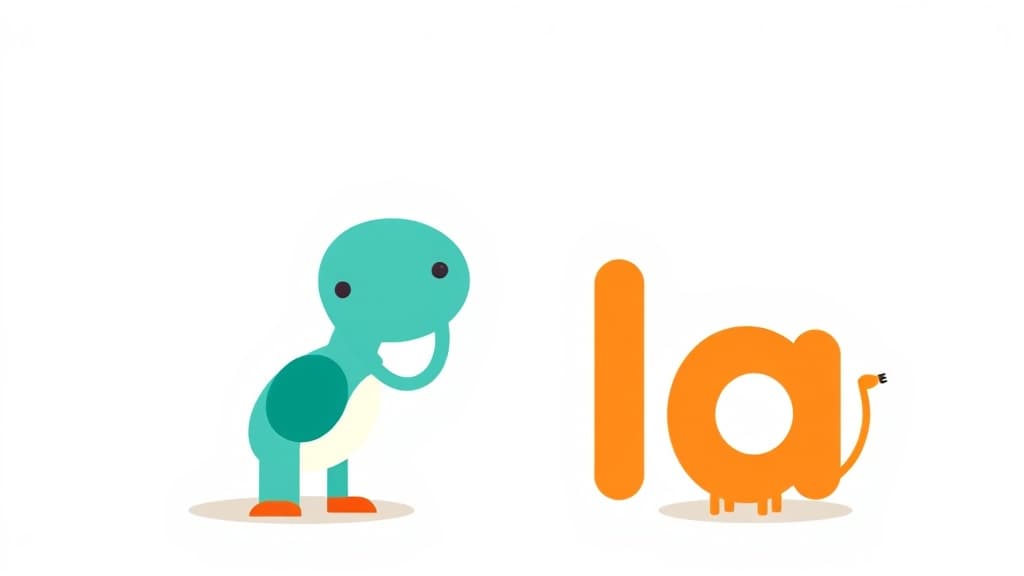
UK Phonics Tutor β€” AI study tool illustration
πŸ“š
ELA & Reading Assistant

UK Phonics Tutor

UK Phonics Tutor gives instant, personalised reading and language support for any text. It understands exactly what your child is working on and provides the right guidance β€” whether for comprehension, literary analysis, vocabulary, or exam preparation.

yearYear 2Year 3Year 4Year 5Year 6Year 7Year 8Year 9Year 10Free foreverUK Curriculum
Applaa AI Assistant β€” Live Preview Live
Help me make this sentence more descriptive: 'The dog barked at the mailman.'
πŸ‘¨β€πŸ’»
That's a good starting sentence, but we can make it paint a much more exciting picture! Let's add some vivid verbs and adjectives: 1. **Describe the dog:** Instead of just "dog," what kind of dog? Is it a "tiny, scruffy puppy" or a "massive, alert guard dog"? 2. **Replace 'barked':** How did it bark? Did it "growl ferociously" or "yap excitedly"? 3. **Describe the mailman:** Was he "startled" or "friendly"? **Improved version:** *"The scruffy, over-excited puppy yapped relentlessly at the startled mailman."* Which version do you like better? Let's try writing a whole paragraph using descriptive words!

How to use UK Phonics Tutor

1

Open Applaa and find this tool in AI Assistants.

2

Paste the text you're studying or describe the book and your question.

3

Get clear, exam-ready explanations and answers you can use straight away.

What you can do with UK Phonics Tutor

Phonics practice for early readers (ages 4–7). Here are some of the most popular ways students use UK Phonics Tutor every day:

  • Makes any passage or book immediately easier to understand
  • Gives exam-style analysis with correct literary vocabulary
  • Works with any text β€” school books, novels, news articles
  • Ask unlimited follow-up questions β€” the AI never loses patience or gives up on you
  • Works alongside any textbook, worksheet, or school resource

The UK Phonics Tutor is a specialist tool designed for early readers aged 4–7, grounding them in the structured phonics approach that underpins the UK National Curriculum. Phonics β€” the science of decoding words by recognising letters and their sounds β€” is the foundation of reading success. The UK follows a systematic phonics programme (starting with Phase 2–5 in Reception and Key Stage 1), and Applaa's Phonics Tutor aligns perfectly with this approach, reinforcing what children are learning in school. This tool makes phonics engaging, interactive, and fun, transforming abstract letter-sound relationships into concrete skills your child can practise and master. Rather than waiting passively for reading to develop, the Phonics Tutor empowers young learners to take an active role in their reading journey. Parents and early-years educators consistently report that children who engage with structured phonics practice at home develop reading fluency faster and with greater confidence. Applaa's tool is designed to complement school phonics teaching, reinforce high-frequency words (tricky words), and build the automaticity that transforms early readers into confident, independent learners. It's completely free and follows the UK standard phonics structure.

5-7
Ideal age range for this tutor (Reception–Year 2)
100%
Aligned to UK National Curriculum phonics structure
23%
Faster reading acquisition with daily phonics practice at home

How to use UK Phonics Tutor effectively

Start by identifying your child's current phonics phase (ask their school which phase they're working through). Open the UK Phonics Tutor and begin with phase-appropriate activities that match their classroom learning. Practice letter-sound correspondence through interactive games, then move to blending activities where your child combines sounds to read whole words. Introduce tricky words (high-frequency words that don't follow regular phonics rules, like 'the,' 'said,' 'to') gradually as your child progresses. Keep sessions short (10–15 minutes) and fun, celebrating successes enthusiastically. Read together after phonics practice, applying their new skills to real books. Consistency matters far more than duration; 10 minutes daily yields better results than occasional longer sessions.

  • Confirm your child's phonics phase with their school, then start with activities matched to their current level
  • Work through letter-sound correspondence games before moving to blending and word-building activities
  • Introduce tricky words (sight words) systematically, focusing on the most common ones first (the, is, to, and, I)
  • Keep sessions short and playful β€” 10–15 minutes is ideal for maintaining focus and joy in learning
  • Read actual books together after phonics practice, allowing your child to apply sounds to real texts
  • Celebrate every success enthusiastically; positive reinforcement builds confidence and makes learning enjoyable

Common mistakes with UK Phonics Tutor

The biggest mistake is moving too quickly through phases. Phonics works best when each sound is thoroughly embedded before introducing new ones. Another error is ignoring tricky words altogether; these are essential for fluent reading and must be learned and practised regularly. Some parents expect phonics alone to create readers; reading comprehension also requires exposure to varied books and discussion about meaning. Sessions that are too long frustrate young learners; 10–15 minutes is optimal. Some families skip the reading application step, assuming phonics practice alone is enough β€” children must see their new skills applied to actual texts. Finally, don't expect perfection; early reading is messy, with mistakes and regressions normal. Patience and encouragement are crucial.

  • Don't rush through phases; ensure each sound and blend is thoroughly understood before moving on
  • Remember that tricky words require explicit teaching and regular revision β€” they don't follow phonetic patterns
  • Combine phonics practice with reading real books; phonics is a means to the end of reading meaningful texts
  • Keep sessions short; 10–15 minutes is ideal, especially for younger learners with developing attention spans
  • Use encouragement freely; reading confidence is as important as technical skill for young learners
  • Expect mistakes and regressions as normal parts of learning β€” patience and consistency matter more than perfection

Getting started

Getting started with UK Phonics Tutor

Step 1

Download Applaa free and ask your child's school which phonics phase they're currently working through

Step 2

Start with activities matched to your child's phase, focusing on letter-sound correspondence through games

Step 3

Practice for 10–15 minutes each day, celebrating successes and moving at your child's pace β€” never rushing

Step 4

Read books together every day, helping your child apply their phonics skills to real texts and building fluency

1 month free, then 50% off for 3 months β€” Β£4.99/mo

While Other Kids Get an AI Head Start, Is Yours Falling Behind?

Give your child the same AI app-building, exam prep and tutoring edge β€” free for the first month, no credit card needed.

Join 10,000+ students building their first AI-powered apps with Applaa

Frequently asked questions about UK Phonics Tutor

Is Phonics Tutor suitable for my Reception child, or should they wait until Year 1?

The UK Phonics Check begins in Year 1, but structured phonics teaching starts in Reception. The earlier you support phonics, the stronger your child's foundation. However, children develop at different rates β€” match activities to your child's current phase, not their age. The tutor is suitable from Reception onwards.

My child attends a phonics-based school programme. Will Applaa's tool contradict their teaching?

No. Applaa's UK Phonics Tutor follows the standard UK phonics structure (Phases 2–5 in Reception–Key Stage 1), which all schools teach. Using Applaa at home reinforces and supplements their school phonics, providing extra practice that builds automaticity and confidence.

How long before my child can read fluently?

Reading development is individual, but with consistent phonics practice (10–15 minutes daily) plus exposure to real books, most children make significant progress within a term or two. By the end of Year 1, children typically decode simple texts independently. Fluency continues developing throughout Key Stage 1 and beyond.

What if my child gets frustrated with phonics practice?

Keep sessions short, playful, and pressure-free. If your child is frustrated, step back and return when they're calm and rested. Reading should feel fun, not like a chore. Use lots of praise for effort, not just correct answers. If frustration persists or your child significantly struggles, chat with their school β€” they may offer targeted support.

Get UK Phonics Tutor free

UK Phonics Tutor and 500+ other safe AI assistants are available free inside the Applaa desktop app.

Windows 10+ Β· macOS 12+ Β· UK National Curriculum aligned

Why Parents Choose Applaa

  • 100% free β€” no subscription ever
  • Aligned to the UK National Curriculum
  • Works for KS1 through A-Level
  • No ads, no data selling, no distractions
  • Kid-safe, COPPA-compliant, UK GDPR

Ready for Exam Prep?

Explore GCSE, 11+, A-Level, and Olympiad revision modules in the Applaa Learning Hub.

Go to Learning Hub