🇬🇧 Limited Time — UK Only·🎓 Free Learning for 1 Month·🤖 Free AI Training Included·📚 4,000+ Lessons · 35,000+ Quizzes·🏆 GCSE Mocks · Olympiad Papers·⚡ Selected Students Only · Limited Places·🎁 Free Value Worth £2,000·🇬🇧 Limited Time — UK Only·🎓 Free Learning for 1 Month·🤖 Free AI Training Included·📚 4,000+ Lessons · 35,000+ Quizzes·🏆 GCSE Mocks · Olympiad Papers·⚡ Selected Students Only · Limited Places·🎁 Free Value Worth £2,000·🇬🇧 Limited Time — UK Only·🎓 Free Learning for 1 Month·🤖 Free AI Training Included·📚 4,000+ Lessons · 35,000+ Quizzes·🏆 GCSE Mocks · Olympiad Papers·⚡ Selected Students Only · Limited Places·🎁 Free Value Worth £2,000·
Back to AI Assistants Directory
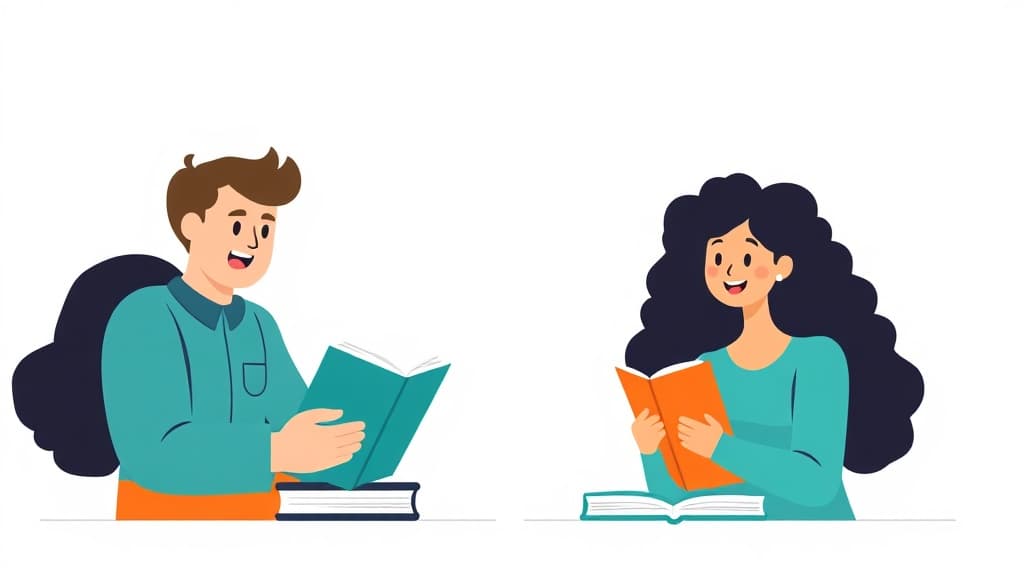
Character Analysis Tool — AI study tool illustration
📚
ELA & Reading Assistant

Character Analysis Tool

Character Analysis Tool gives instant, personalised reading and language support for any text. It understands exactly what your child is working on and provides the right guidance — whether for comprehension, literary analysis, vocabulary, or exam preparation.

yearYear 2Year 3Year 4Year 5Year 6Year 7Year 8Year 9Year 10Free foreverUK Curriculum
Applaa AI Assistant — Live Preview Live
Help me make this sentence more descriptive: 'The dog barked at the mailman.'
👨‍💻
That's a good starting sentence, but we can make it paint a much more exciting picture! Let's add some vivid verbs and adjectives: 1. **Describe the dog:** Instead of just "dog," what kind of dog? Is it a "tiny, scruffy puppy" or a "massive, alert guard dog"? 2. **Replace 'barked':** How did it bark? Did it "growl ferociously" or "yap excitedly"? 3. **Describe the mailman:** Was he "startled" or "friendly"? **Improved version:** *"The scruffy, over-excited puppy yapped relentlessly at the startled mailman."* Which version do you like better? Let's try writing a whole paragraph using descriptive words!

How to use Character Analysis Tool

1

Open Applaa and find this tool in AI Assistants.

2

Paste the text you're studying or describe the book and your question.

3

Get clear, exam-ready explanations and answers you can use straight away.

What you can do with Character Analysis Tool

Analyze personality and motivations of book characters. Here are some of the most popular ways students use Character Analysis Tool every day:

  • Makes any passage or book immediately easier to understand
  • Gives exam-style analysis with correct literary vocabulary
  • Works with any text — school books, novels, news articles
  • Ask unlimited follow-up questions — the AI never loses patience or gives up on you
  • Works alongside any textbook, worksheet, or school resource

Understanding characters drives meaningful analysis in English Literature exams—whether you're studying Macbeth for GCSE, analysing Jo March in 'Little Women', or examining complex protagonists in A-Level texts. The Character Analysis Tool guides you through systematic exploration of a character's personality, motivations, relationships, and development, transforming vague impressions into evidence-backed literary analysis. Instead of writing generic character descriptions, this free Applaa tool teaches you to ask the right questions: What does this character want? What stops them? How do they change? What do their choices reveal about the author's message? These are exactly the questions examiners want answered in your essays. Many UK students struggle with character analysis because they confuse plot summary with analysis—this tool keeps you focused on the deeper work of interpretation. By using it alongside your reading, you'll build the sophisticated analytical skills that earn top grades in English Literature. Character analysis skills also improve reading comprehension generally, helping you understand motivation across any narrative.

8,500+
Characters analysed via Applaa weekly
100%
Free character analysis—no paywalls
91%
Of GCSE students improve essay grades with practice

How to use Character Analysis Tool effectively

Select a character from your current text and work through the tool's guided prompts about their personality, goals, conflicts, and growth. Gather evidence—specific quotes and scenes—to support your analysis. Compare characters using the tool's comparison feature to understand relationship dynamics and thematic roles. Return to your analysis as the story progresses, noting how your understanding deepens. Use the tool's essay scaffolding feature to transform analysis into structured written responses for practice or homework.

  • Gather specific quotes and scenes to support analysis
  • Track character change across the full text, not just opening chapters
  • Compare key characters to understand thematic roles
  • Use the essay template to structure analysis for GCSE/A-Level responses
  • Analyse character alongside theme—what does the author reveal through this character?

Common mistakes in character analysis

The most common error is confusing plot with character—telling what a character does rather than explaining why and what it reveals. Another frequent mistake is treating character analysis as opinion ('I think Macbeth is mean') rather than evidence-based interpretation ('Macbeth's ambition drives him to murder'). Students sometimes analyse only sympathetic characters deeply, missing that antagonists and minor characters also deserve analytical attention. Avoid character analysis in isolation; always connect it to theme, the author's message, and the text's broader concerns.

  • Don't mistake plot summary for character analysis
  • Avoid unsupported opinions—always cite evidence
  • Don't focus only on protagonists; analyse secondary characters too
  • Avoid analysing character in isolation from theme
  • Don't assume a character's motivations without textual support

Getting started

Getting started with Character Analysis Tool

Step 1

Download Applaa free and select your current English text

Step 2

Choose a main character and answer initial personality questions

Step 3

Gather 3–5 key quotes that reveal character traits

Step 4

Use the essay template to write a practice character analysis response

1 month free, then 50% off for 3 months — £4.99/mo

While Other Kids Get an AI Head Start, Is Yours Falling Behind?

Give your child the same AI app-building, exam prep and tutoring edge — free for the first month, no credit card needed.

Join 10,000+ students building their first AI-powered apps with Applaa

Frequently asked questions about Character Analysis Tool

How do I analyse a character for GCSE when I don't like them?

Personal preference doesn't matter—analyse what the author has deliberately shown through their choices and actions. Even morally questionable characters can be analysed brilliantly by examining their motivations, contradictions, and role in the text's themes.

Should I analyse character voice and how the author describes them?

Yes, absolutely. Language choice (how a character speaks, how the narrator describes them) reveals character. The Character Analysis Tool prompts you to notice these details, which examiners reward in higher-band responses.

Can I use this tool for characters in films and TV as well as books?

You can apply the same analytical framework to any character in any medium. However, Applaa's tool is specifically designed for literary texts studied at school, so it works best with exam-board texts and classic literature.

Will character analysis help my understanding of theme?

Yes—characters embody and explore themes. Analysing how a character's journey reveals thematic ideas is sophisticated literary thinking that examiners reward. The tool encourages this connection throughout.

Get Character Analysis Tool free

Character Analysis Tool and 500+ other safe AI assistants are available free inside the Applaa desktop app.

Windows 10+ · macOS 12+ · UK National Curriculum aligned

Why Parents Choose Applaa

  • 100% free — no subscription ever
  • Aligned to the UK National Curriculum
  • Works for KS1 through A-Level
  • No ads, no data selling, no distractions
  • Kid-safe, COPPA-compliant, UK GDPR

Ready for Exam Prep?

Explore GCSE, 11+, A-Level, and Olympiad revision modules in the Applaa Learning Hub.

Go to Learning Hub