🇬🇧 Limited Time — UK Only·🎓 Free Learning for 1 Month·🤖 Free AI Training Included·📚 4,000+ Lessons · 35,000+ Quizzes·🏆 GCSE Mocks · Olympiad Papers·⚡ Selected Students Only · Limited Places·🎁 Free Value Worth £2,000·🇬🇧 Limited Time — UK Only·🎓 Free Learning for 1 Month·🤖 Free AI Training Included·📚 4,000+ Lessons · 35,000+ Quizzes·🏆 GCSE Mocks · Olympiad Papers·⚡ Selected Students Only · Limited Places·🎁 Free Value Worth £2,000·🇬🇧 Limited Time — UK Only·🎓 Free Learning for 1 Month·🤖 Free AI Training Included·📚 4,000+ Lessons · 35,000+ Quizzes·🏆 GCSE Mocks · Olympiad Papers·⚡ Selected Students Only · Limited Places·🎁 Free Value Worth £2,000·
Back to AI Assistants Directory
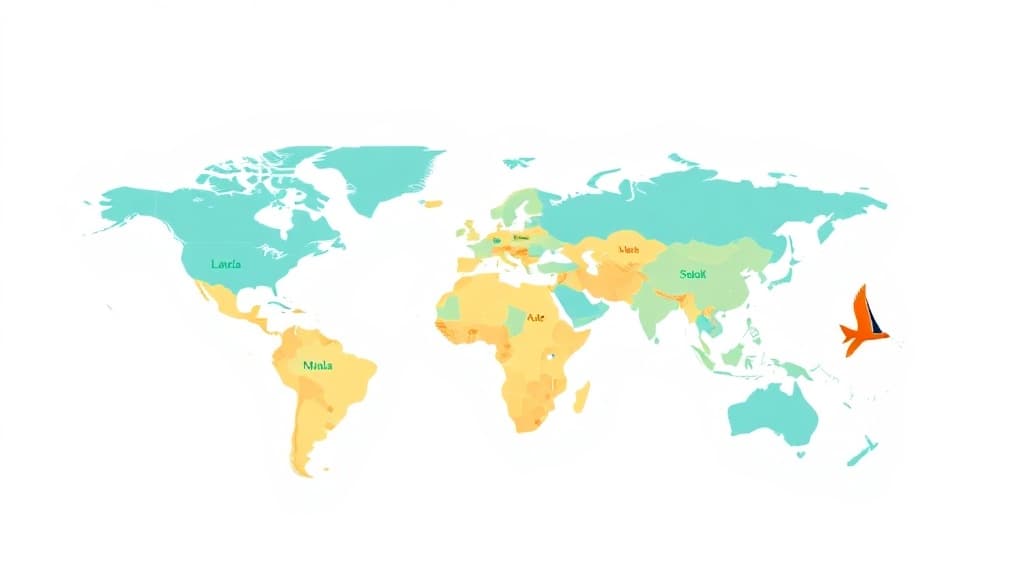
World Building Guide — AI study tool illustration
📖
Language & Literature Assistant

World Building Guide

World Building Guide is a sophisticated literary companion that helps your child explore language and literature with real depth and insight. From analysing Shakespeare to building fictional worlds, it provides expert guidance that elevates both understanding and creative expression.

yearYear 7Year 8Year 9Year 10Year 11Free foreverUK Curriculum
Applaa AI Assistant — Live Preview Live
Help me make this sentence more descriptive: 'The dog barked at the mailman.'
👨‍💻
That's a good starting sentence, but we can make it paint a much more exciting picture! Let's add some vivid verbs and adjectives: 1. **Describe the dog:** Instead of just "dog," what kind of dog? Is it a "tiny, scruffy puppy" or a "massive, alert guard dog"? 2. **Replace 'barked':** How did it bark? Did it "growl ferociously" or "yap excitedly"? 3. **Describe the mailman:** Was he "startled" or "friendly"? **Improved version:** *"The scruffy, over-excited puppy yapped relentlessly at the startled mailman."* Which version do you like better? Let's try writing a whole paragraph using descriptive words!

How to use World Building Guide

1

Open Applaa and find this tool in AI Assistants.

2

Share the text, poem, or creative project you're working on.

3

Get insightful literary analysis, creative input, or language help precisely tailored to your needs.

What you can do with World Building Guide

Design maps and cultures. Here are some of the most popular ways students use World Building Guide every day:

  • Develops sophisticated literary analysis and critical writing skills
  • Works with classical and contemporary texts equally well
  • Great for A-Level English, IB Literature, and creative writing
  • Ask unlimited follow-up questions — the AI never loses patience or gives up on you
  • Works alongside any textbook, worksheet, or school resource

Creating a believable fictional world is one of the most challenging yet rewarding aspects of creative writing, whether you're working on GCSE English Literature coursework, A-Level Creative Writing, or simply pursuing your passion for storytelling. The World Building Guide helps you design every layer of your fictional universe—from geography and climate to government systems, economics, and cultural traditions. With Applaa's structured approach, you'll develop worlds that feel authentic and internally consistent, making your characters' actions and conflicts resonate with readers. Many students skip this crucial planning stage and end up with plot holes or inconsistent details. This tool walks you through the essential questions that professional authors ask before they write a single word.

8,000+
Creative writers using this tool
5 layers
Key world-building dimensions covered
100%
Free to explore your imagination

How to use World Building Guide effectively

Begin by establishing your world's fundamental rules: geography, climate, and natural resources. These determine what civilizations can develop and how they interact. Next, design your political systems and power structures—monarchies, democracies, oligarchies—each with different consequences for your plot. Develop cultures, languages, and belief systems that reflect your world's history and resources. Create an economy that makes sense: what do people trade, who controls wealth, what are class divisions? Finally, document technology level and magic systems (if any) with consistent rules. Use the guide's prompts to ask yourself why things are the way they are—this depth creates believable worlds.

  • Map your world's geography, climate zones, and major resources to establish realistic settlement patterns
  • Design political systems and power hierarchies that directly affect your plot and character conflicts
  • Develop at least 2–3 distinct cultures with their own languages, customs, and belief systems
  • Create an economy with clear resource flows, trade networks, and class systems
  • Establish technology or magic system rules and their limitations—consistency is essential
  • Write a brief history explaining how your world reached its current state and why conflicts exist

Common mistakes with World Building Guide

The biggest mistake is over-complicating your world before establishing foundations—start simple and add complexity only where it serves your story. Many writers create beautiful worlds that contradict themselves: a culture described as warlike also acts as pacifists, or an isolated village somehow knows about distant events. Geography often gets ignored—writers forget that terrain, climate, and resources fundamentally shape how civilizations develop and where conflicts arise. Another frequent error is treating culture as decoration rather than as a system that influences everything from food to conflict resolution. Finally, developing elaborate magic systems without rules creates plot holes where characters solve problems too easily.

  • Don't over-engineer details that won't appear in your story—focus on world-building that serves your plot
  • Ensure internal consistency: if your world has no horses, characters can't ride them
  • Remember that geography, resources, and climate drive cultural and political development
  • Make your magic or technology systems have clear rules and costs; without limits, stakes disappear
  • Develop culture systematically (food, clothing, art, language, values), not just as aesthetic details
  • Test your world by repeatedly asking 'why?' until you can justify every major system

Getting started

Getting started with World Building Guide

Step 1

Download Applaa free and open the World Building Guide to access the full questionnaire

Step 2

Spend 10 minutes mapping your world's basic geography—continents, seas, mountain ranges, climate zones

Step 3

Answer the political and cultural prompts for your primary civilization (take about 20 minutes)

Step 4

Build out 1–2 rival cultures and their relationship to your main world, then review for internal consistency

1 month free, then 50% off for 3 months — £4.99/mo

While Other Kids Get an AI Head Start, Is Yours Falling Behind?

Give your child the same AI app-building, exam prep and tutoring edge — free for the first month, no credit card needed.

Join 10,000+ students building their first AI-powered apps with Applaa

Frequently asked questions about World Building Guide

How detailed does my world-building need to be for GCSE English Literature coursework?

For coursework, focus on elements directly relevant to your story and characters. You don't need every detail, but everything mentioned should be consistent and purposeful. Examiners reward worlds that feel authentic and support your narrative, not worlds with unused complexity. The guide helps you identify what's essential versus what's decoration.

Should I start with a map or with cultures and politics?

Start with geography—it's the foundation for everything else. Climate and terrain determine where people settle, what resources they have, and therefore what kind of civilizations develop. Once you have geography, politics and culture follow logically. The guide walks you through this sequence to avoid contradictions.

My fantasy world has magic, but my characters keep using it to solve every problem. How do I fix this?

Define clear costs, limitations, and consequences for magic use—energy drain, resource requirements, physical toll, or social restrictions. When magic has rules and costs, it becomes a tool for creating conflict rather than bypassing it. Your characters will have to make difficult choices instead of taking the easy way out.

Can I use this guide even if I'm not writing for an exam—just for fun?

Absolutely! The World Building Guide is designed for any writer, whether you're crafting a novel for pleasure, working on social media fiction, or preparing A-Level coursework. The same principles of consistency and internal logic apply to all storytelling. Many professional authors use these exact techniques to develop their worlds.

Get World Building Guide free

World Building Guide and 500+ other safe AI assistants are available free inside the Applaa desktop app.

Windows 10+ · macOS 12+ · UK National Curriculum aligned

Why Parents Choose Applaa

  • 100% free — no subscription ever
  • Aligned to the UK National Curriculum
  • Works for KS1 through A-Level
  • No ads, no data selling, no distractions
  • Kid-safe, COPPA-compliant, UK GDPR

Ready for Exam Prep?

Explore GCSE, 11+, A-Level, and Olympiad revision modules in the Applaa Learning Hub.

Go to Learning Hub